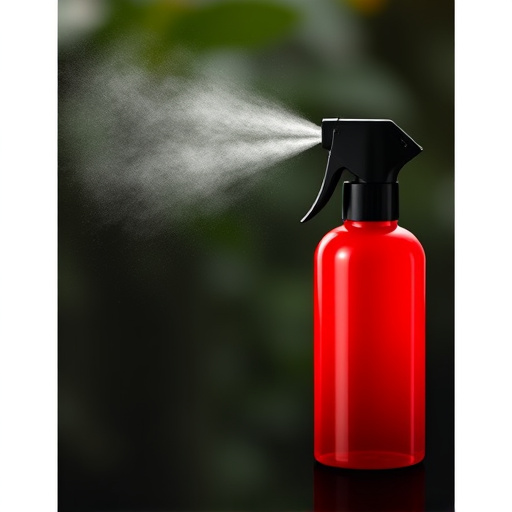
Understanding capsaicin's role in bear spray effectiveness is key for self-defense. Best practices include aiming at face/chest, using wind direction, and following manufacturer instructions. Training, storage, and targeted spraying techniques are crucial for optimal protection, prioritizing escape while prepared to use spray strategically as a last resort. Practice sweeping arm movements for dense clouds covering broader areas, enhancing deterrence.
Tactical pepper spray is a powerful tool for self-defense, offering a non-lethal yet effective deterrent against potential threats. This comprehensive guide explores the best practices and techniques for using bear spray, focusing on its active ingredients, safe application methods, and targeted spraying strategies. Learn how to maximize your protection in various scenarios by understanding the science behind this popular self-defense mechanism and adopting proven application techniques.
- Understanding Bear Spray: Active Ingredients & Effects
- Best Practices for Safe & Effective Application
- Targeted Spraying Techniques for Maximum Protection
Understanding Bear Spray: Active Ingredients & Effects
Bear spray, also known as bear repellent, is a powerful tool for self-defense against aggressive bears. When it comes to understanding bear spray, knowing its active ingredients and effects is crucial. The primary active ingredient in most bear sprays is capsaicin, the same compound that gives chili peppers their heat. This irritates the bear’s eyes, nose, and respiratory system, causing them to retreat.
The best bear spray application techniques involve aiming for the face and chest of the approaching bear. Spraying directly into the wind increases effectiveness, as it prevents the spray from blowing back onto you. It’s essential to follow the manufacturer’s instructions regarding distance and amount sprayed. With proper usage, bear spray can offer valuable time and distance to enable a safe escape from potential bear encounters.
Best Practices for Safe & Effective Application
When it comes to using tactical pepper spray, understanding the best practices for safe and effective application is paramount. Start by ensuring proper training; practice makes perfect when it comes to deploying this powerful self-defense tool. Always keep your spray in an easily accessible location, but out of reach of children or others who might misuse it accidentally. Familiarize yourself with the spray’s range and wind resistance—knowing how far the spray will reach and under what conditions is crucial for successful deployment.
Before using bear spray, evaluate the situation: Assess the threat level and the proximity of the aggressor. At close range, aim for the face to cause maximum irritation. If you’re at a distance, target legs and feet to trip or slow down the assailant. Remember, it’s best to use pepper spray as a last resort; always explore other means of escape first, but be prepared to protect yourself if necessary.
Targeted Spraying Techniques for Maximum Protection
Mastering targeted spraying techniques is essential for maximizing the protection offered by tactical pepper spray. Unlike traditional self-defense options, pepper spray requires precision and control to ensure its effectiveness while minimizing exposure. The best bear spray application techniques involve aiming low and sweeping your arm in a wide arc. This method allows you to create a dense cloud of spray that covers a broader area, increasing the likelihood of disorienting or deterring an attacker.
Practicing these techniques in safe environments can help individuals become more comfortable and confident in their ability to use pepper spray effectively. Remember, the goal is not to hit a specific target but to create a barrier of protection around you. By understanding and honing these application methods, users can ensure they are prepared for unexpected encounters, leveraging the power of tactical pepper spray for maximum self-protection.
When it comes to self-protection, understanding and utilizing tactical pepper spray effectively can be a game-changer. By learning about the active ingredients and their powerful effects, practicing safe application techniques, and mastering targeted spraying, individuals can empower themselves to navigate potentially dangerous situations with confidence. Remember, the best bear spray application techniques involve a swift, controlled misting at close range, allowing you to create a protective barrier without causing prolonged harm. Stay prepared, stay safe, and be in control with the right knowledge and tools for self-defense.