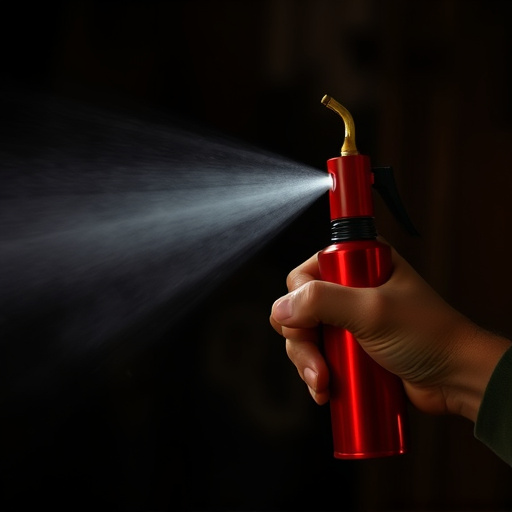
Non-lethal bear spray, effective against aggressive bears, utilizes capsaicin to irritate and disorient targets. The key to its success lies in precise application techniques: aiming at the face and eyes from 20-30 feet away with quick, short bursts. Regular training is essential for hikers and campers to ensure instinctive deployment during bear encounters, making these techniques vital for safety in bear country.
In areas teeming with wildlife, knowing how to defend yourself without causing harm is crucial. Non-lethal inflammatory self-defense tools, like bear spray, offer a safe and effective solution. This comprehensive guide delves into the world of bear spray, covering its composition, efficacy, selection tips, application techniques, and real-world scenarios where it’s most useful. By understanding the best practices for bear spray application techniques, you’ll be better equipped to navigate encounters with potential threats in a safe and responsible manner.
- Understanding Non-Lethal Inflammatory Self-Defense Tools
- Bear Spray: A Closer Look at Its Composition and Efficacy
- Best Practices for Choosing the Right Bear Spray
- Mastering Bear Spray Application Techniques
- Real-World Scenarios: When and How to Use Bear Spray
Understanding Non-Lethal Inflammatory Self-Defense Tools
Non-lethal inflammatory self-defense tools, like bear spray, offer a powerful yet safe option for personal protection in various outdoor scenarios. These tools harness the power of capsaicin, the active ingredient found in chili peppers, to cause temporary but intense irritation, disorienting and repelling potential threats without causing severe harm. Bear spray, for instance, is specifically designed to be effective against large animals like bears, providing a critical safety net during outdoor adventures in bear country.
Mastering the best bear spray application techniques is crucial for maximizing its effectiveness. Aiming for the face and eyes of the attacker, using quick, short bursts, and maintaining a safe distance ensures optimal impact. Regular training and practice in proper usage are essential to ensure users can deploy these tools instinctively when needed, making them invaluable companions for hikers, campers, and anyone venturing into areas with potential wildlife encounters.
Bear Spray: A Closer Look at Its Composition and Efficacy
Bear spray, a powerful non-lethal self-defense tool, has gained popularity among outdoor enthusiasts and individuals seeking effective protection against aggressive bears. This pepper-based spray is designed to incapacitate and deter bears when used correctly, providing a crucial safety measure in bear country. The key component in bear spray is capsaicin, the same compound found in chili peppers, which irritates the eyes, nose, and respiratory system of the target animal.
When it comes to best practices for bear spray application, timing and proximity are critical. Users should aim for the face and eyes, as these areas provide the fastest route to incapacitation. The recommended distance for effective use is typically between 20-30 feet (6-9 meters), allowing for sufficient time to deploy the spray accurately. Proper application techniques include a quick, short burst directly towards the bear’s face, ensuring the spray reaches its eyes and nasal passages. This method effectively disrupts the bear’s sensory perception, giving the user valuable seconds to escape or defend themselves.
Best Practices for Choosing the Right Bear Spray
When selecting a non-lethal inflammatory self-defense tool like bear spray, understanding best practices for choice and application is paramount. Firstly, consider the specific bear species prevalent in your region; different bears have varying sensitivities to spray, influencing the concentration and type of active ingredients needed. Secondly, check local regulations regarding bear spray possession and usage to ensure compliance.
For optimal effectiveness, master the correct application techniques. Aim for the eyes and face, as these areas offer rapid inflammation, temporarily disorienting the bear. Maintain a safe distance, typically 20-30 feet, when spraying, ensuring you have clear visibility of your target. Practice in controlled settings to familiarize yourself with the spray pattern and distribution, maximizing its reach and impact without endangering yourself or others.
Mastering Bear Spray Application Techniques
Mastering the best bear spray application techniques is crucial for effective self-defense in encounters with aggressive bears. The key lies in understanding the proper timing and distance. When faced with a bear, stay calm and assess its behavior. If the bear hasn’t noticed you yet, make yourself visible by waving your arms or wearing reflective clothing to avoid surprising it.
At close range, aim for the bear’s face and eyes. Spraying directly at the face ensures maximum irritation, temporarily blinding and disorienting the animal. Maintain a safe distance of 20-30 feet (6-9 meters) and spray in short bursts, allowing the wind to carry the spray towards the bear. Practice these techniques in controlled environments to ensure you’re prepared for real-world scenarios, making every shot count.
Real-World Scenarios: When and How to Use Bear Spray
In various outdoor scenarios, having a non-lethal inflammatory self-defense tool like bear spray can be a game-changer. Bear spray is designed to deter aggressive bears when used correctly, making it an essential item for hikers, campers, and anyone venturing into bear country. Understanding the best bear spray application techniques is crucial for its effectiveness.
When facing an encounter with a bear, quick thinking and proper usage can mean the difference between safety and danger. The recommended technique involves spraying directly towards the bear’s face and eyes from a distance of 20-30 feet (6-9 meters). Aiming for the eyes disrupts the bear’s vision, which triggers its instinctive reaction to flee due to disorientation. It’s important to remember that bear spray is not just a deterrent; it creates a temporary but intense irritation, giving you valuable time to retreat safely.
In conclusion, non-lethal inflammatory self-defense tools, such as bear spray, offer a crucial option for personal safety in various outdoor scenarios. By understanding their composition, efficacy, and best practices, individuals can make informed choices and gain confidence in mastering the best bear spray application techniques. Knowledge is power; armed with this information, folks can navigate real-world situations, ensuring their safety and peace of mind while exploring nature’s tapestry.