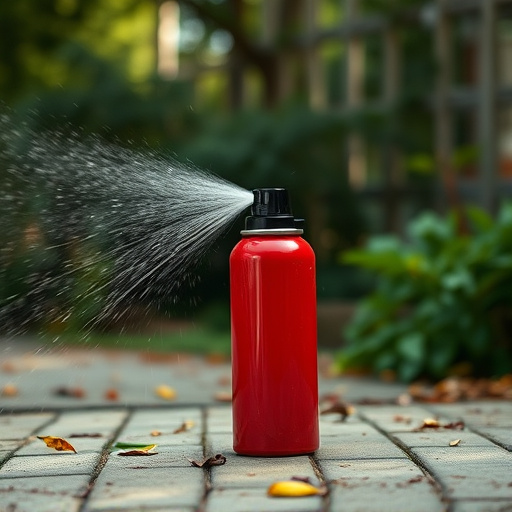
The science behind bear spray lies in active ingredients like capsaicin and piperine that disrupt bears' senses. Best application techniques involve direct spraying at close range (20-30 feet) for 2-3 seconds, aiming for eyes, nose, and mouth. Canister size dictates coverage and portability; wider patterns for outdoor use, focused streams for precision. Storage in secure locations and regular maintenance ensure effectiveness. Mastering these application techniques, combined with understanding legalities, is crucial for safe and effective self-protection during bear encounters.
Staying safe while out and about is paramount, especially with unpredictable encounters on the horizon. Tactical pepper spray, or bear spray, offers a powerful self-defense tool against aggressive animals and even humans. This comprehensive guide explores the essentials of effective self-protection with bear spray. From understanding its active ingredients and choosing the right canister size to mastering application techniques and navigating legalities, we equip you with knowledge for enhanced safety.
- Understanding Bear Spray: Active Ingredients and Efficacy
- Choosing the Right Canister Size for Your Needs
- Best Practices for Safe Storage and Accessibility
- Effective Application Techniques for Maximum Protection
- Legal Considerations: When and Where to Use Pepper Spray
Understanding Bear Spray: Active Ingredients and Efficacy
Understanding Bear Spray: Active Ingredients and Efficacy
Bear spray, a potent deterrent designed to protect against aggressive bears, is more than just a pepper spray. It contains specific active ingredients tailored to disrupt a bear’s sensory perception and provoke an escape response. The primary components often include capsaicin, the same substance that makes chili peppers spicy, along with other irritants like piperine and menthol. These chemicals temporarily blind and irritate a bear’s eyes, nose, and respiratory system, enabling the user to create distance from the animal safely.
The effectiveness of bear spray lies in its application techniques. The best Bear Spray Application Techniques involve spraying directly into the bear’s face at close range, aiming for the eyes, nose, and mouth. Users should spray in short bursts, approximately 2-3 seconds, ensuring full coverage. Proper training and familiarity with the spray’s range (typically around 20-30 feet) are crucial to ensure effective deployment during an encounter.
Choosing the Right Canister Size for Your Needs
When selecting a tactical pepper spray, choosing the right canister size is crucial for effective self-protection. It’s important to consider your specific needs and the situations in which you’ll be using it. For instance, larger canisters offer more protection and are ideal for outdoor activities or high-risk environments, while smaller ones are convenient for everyday carry due to their compactness and ease of concealment.
The best bear spray application techniques vary based on the canister size and your target. Larger canisters typically use a wide spray pattern for covering a larger area, making them effective against multiple aggressors or large animals. Smaller canisters often employ a more focused stream, perfect for precision targeting at close range. Regardless of size, proper training in usage is essential to ensure you deploy the spray effectively and safely when facing dangerous situations.
Best Practices for Safe Storage and Accessibility
Storing tactical pepper spray safely is paramount for ensuring its effectiveness when needed. Keep it in a secure, locked cabinet or safe, out of reach of children and unauthorized individuals. Ideal storage locations include your bedroom, home office, or a dedicated safety box. Additionally, ensure regular maintenance to keep the spray in optimal condition; check expiration dates and test the trigger mechanism periodically.
When it comes to best practices for tactical pepper spray use, understanding proper application techniques is crucial. Aim for the face, specifically the eyes, nose, and mouth, as these areas are most vulnerable. Practice targeting at close range, as panicking can lead to misaiming. Regular training sessions will enhance your comfort level and reaction time during a self-defense situation, making it an invaluable tool for personal safety.
Effective Application Techniques for Maximum Protection
Mastering the best bear spray application techniques is crucial for maximizing protection during encounters with aggressive bears. First, ensure proper preparation by holding the canister upright and activating the safety clip. When faced with a bear, aim for the face—specifically the eyes, nose, and mouth—as these areas contain sensitive nerve endings that can disable the animal rapidly.
A quick, direct burst at close range is most effective. Aim for the bear’s face and move off quickly to maintain distance. Remember, consistency is key; a steady stream of spray delivered in rapid succession will significantly increase the chance of disorienting and deterring an attacking bear. Practice these best bear spray application techniques regularly to ensure you’re prepared if needed.
Legal Considerations: When and Where to Use Pepper Spray
When considering tactical pepper spray for self-protection, understanding legal considerations is paramount. The use of pepper spray is regulated by state and local laws, so it’s crucial to know when and where it’s permissible. In many jurisdictions, citizens can legally carry pepper spray for self-defense if they have a valid reason, such as personal safety concerns or the presence of known threats. However, there are restrictions on the types of pepper spray allowed, the quantity one can possess, and public spaces where its use is prohibited.
For optimal effectiveness and to avoid legal repercussions, it’s essential to familiarize yourself with best bear spray application techniques. This includes learning proper aiming, distance, and pressure control. Using the spray in well-ventilated areas, avoiding eye contact with assailants, and ensuring you have a clear path for escape are also critical considerations. Remember, responsible use means applying just enough force to incapacitate the threat momentarily while adhering to local laws.
When it comes to tactical pepper spray for self-protection, understanding the best application techniques is key. By familiarizing yourself with the active ingredients, choosing the right canister size, and learning safe storage practices, you’re well on your way to maximizing protection. Remember, legal considerations are paramount; always be aware of local regulations regarding pepper spray use. With proper knowledge and responsible handling, tactical pepper spray can prove to be a valuable tool for personal safety. For effective deployment, study the best application techniques and practice them until they become second nature.